Artistic Style
Tintoretto’s style is defined by swift, expressive brushwork and bold compositional experimentation. His paintings often feature intense contrasts of illumination, creating a theatrical atmosphere that heightens emotional impact. Working at remarkable speed, he cultivated a visual language that fused Venetian color with the structural rigor more commonly associated with central Italian art.
Subjects and Themes
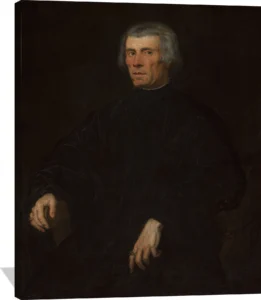
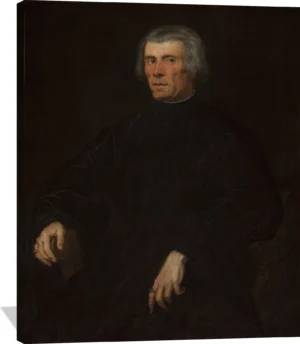
His oeuvre spans large-scale religious narratives, mythological scenes, and portraits. Tintoretto approached sacred subjects with a sense of immediacy and movement, transforming familiar stories into immersive experiences. Mythological works similarly reveal his fascination with the human figure in motion, while his portraits capture a vivid psychological presence.
Legacy and Significance
Tintoretto’s contributions helped define the late Renaissance in Venice. His ambitious cycles for churches and confraternities, most notably the monumental works in the Scuola Grande di San Rocco, elevated narrative painting through their combination of technical mastery and expressive force. Celebrated for his fearless innovation, he remains a central figure in the evolution of European painting, admired for the dramatic intensity and distinctive vision that marked his long career.