Artistic Style
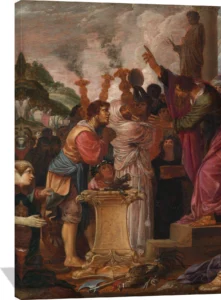
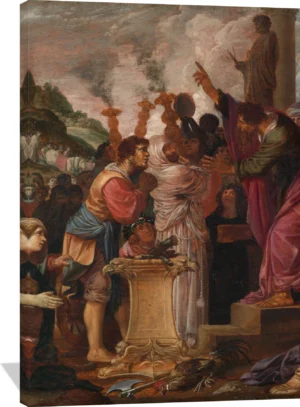
Pynas is known for his balanced compositions, warm tonalities, and delicate use of chiaroscuro. His paintings frequently display a subtle golden glow, reflecting early influences from Italian landscape painting and the works of Adam Elsheimer. This synthesis of northern detail with a southern sense of mood and drama marked him as a significant contributor to early 17th‑century Dutch painting.
Subjects and Themes
He specialized in biblical narratives, mythological episodes, and serene, structured landscapes. Works such as Tobias and the Angel or The Flight into Egypt highlight his interest in small-scale yet emotionally resonant storytelling, where figures are set within expansive, richly atmospheric environments. These subjects allowed him to explore spiritual depth and narrative clarity while exhibiting his masterful control of light and setting.
Legacy and Significance
Pynas played an important role in shaping early Dutch landscape and history painting. His poetic treatment of light and his careful architectural settings made him a respected figure among his contemporaries, leaving a quieter but enduring mark on the visual language that would flourish in the Golden Age. His work remains valued for its intimate scale, harmonious composition, and its blend of northern realism with a subtly elevated, almost meditative tone.