Artistic Style
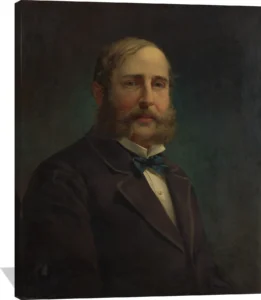
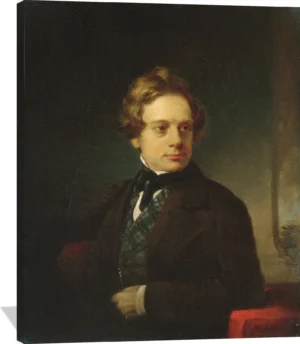
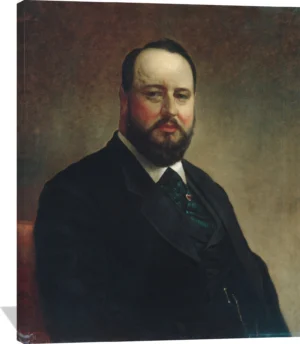
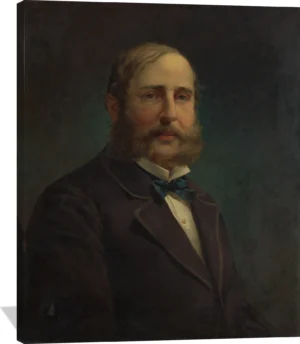
Lazarus worked in a realist tradition, favoring meticulous draftsmanship, rich tonal modeling, and a restrained elegance that aligned with the tastes of the mid‑Victorian era. His paintings often reveal a measured interplay of light and shadow, bringing a subtle vitality to his sitters without overt dramatization.
Subjects and Contributions
Best known for his portraits, Lazarus captured prominent figures of his time, including notable members of New York’s intellectual and artistic community. His portrayal of his cousin, the poet Emma Lazarus, stands among his most recognized works. Through these intimate yet dignified images, he contributed to shaping the visual record of American cultural life in the decades surrounding the Civil War.
Cultural Significance
Lazarus holds a meaningful place in American art history as part of the generation that helped define the nation’s developing artistic identity. His paintings reflect both the aspirations and the aesthetics of a society in transition, offering a window into the refinement, values, and personal narratives of 19th‑century America. While not as widely known today, his work remains appreciated for its authenticity, craftsmanship, and enduring sense of quiet sophistication.