Artistic Style
The artist’s work reflects a transition from the clarity of Renaissance naturalism to the more stylized tendencies of mid‑sixteenth‑century Lombardy. Figures often display elongated proportions, graceful gestures, and subtle emotional nuance. A careful handling of light and shadow creates a soft yet commanding presence, heightening the overall sense of serenity and depth.
Subjects and Themes
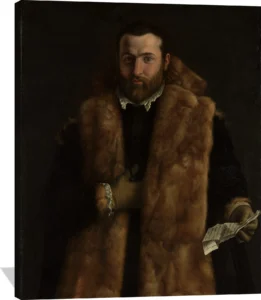
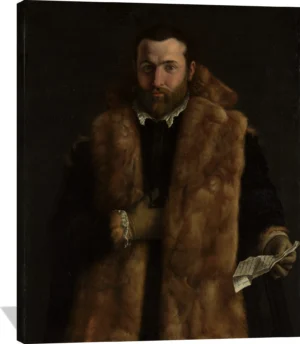
Religious imagery formed the core of the artist’s output, featuring altarpieces and devotional scenes that blended spiritual intensity with gentle realism. Biblical subjects, saints, and sacred narratives are rendered with harmonized color palettes and thoughtfully arranged settings. Portraits and smaller private commissions also demonstrate the painter’s ability to capture individuality through delicate modeling and controlled luminosity.
Cultural Significance
As part of the broader Lombard tradition, this painter contributed to a regional aesthetic celebrated for its introspection and technical finesse. The work exemplifies the era’s shift toward more personal and expressive interpretations of established subjects. Through meticulous execution and a commitment to visual harmony, the painter helped shape the distinctive character of Lombard art during a pivotal period in Italian cultural history.