Artistic Style
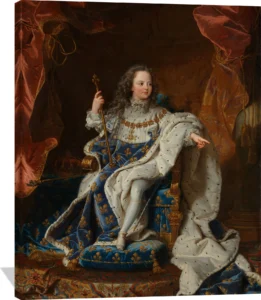
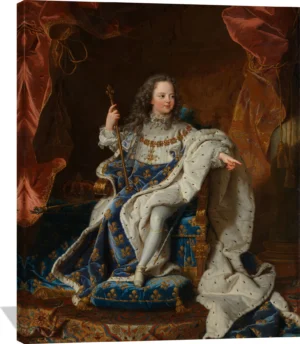
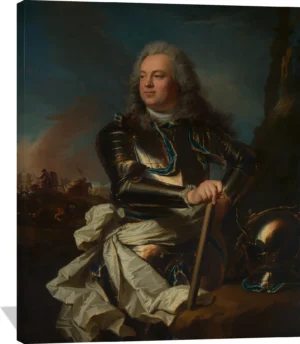
Rigaud’s portraits are characterized by impeccable realism, rich color harmonies, and a commanding sense of presence. His meticulous attention to textiles, light, and physiognomy allowed him to convey the physical likeness of his subjects while revealing their social stature. He excelled at balancing theatricality with naturalism, a hallmark of the French Baroque that he helped define.
Subjects and Themes
The artist primarily portrayed monarchs, nobles, diplomats, and influential members of French society. Court dress, regalia, and architectural settings often play a prominent role, crafted with extraordinary precision. Through these elements, Rigaud conveyed the authority and refinement associated with his elite clientele, making his portraits enduring symbols of status and identity.
Legacy and Significance
Rigaud’s influence extended far beyond his lifetime. His depiction of Louis XIV, considered one of the most iconic royal portraits in European art, set a standard for state portraiture that endured for generations. By uniting technical mastery with an acute understanding of character, he established himself as a defining figure of French artistic culture. Rigaud’s work remains admired today for its sophistication, visual richness, and unmatched command of portraiture, securing his place among the most important painters of the French Baroque.