Artistic Style and Vision
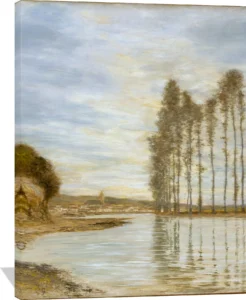
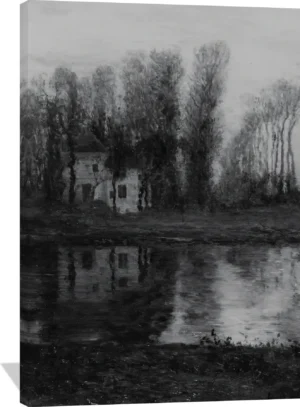
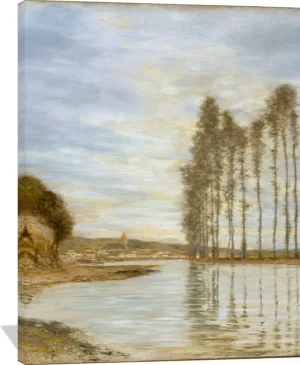
Martin’s work is defined by atmospheric landscapes that favor mood over meticulous detail. Though initially influenced by the Hudson River School’s luminous naturalism, he gradually shifted toward a more suggestive, tonal approach, using softened forms and subtle color harmonies to evoke the emotional resonance of place. His paintings often carry a contemplative stillness, revealing his interest in light, distance, and the transient qualities of nature.
Subjects and Techniques
He favored river valleys, quiet shorelines, and expansive skies, capturing the essence of both American and later European settings. Martin’s distinctive brushwork fluid, layered, and frequently described as lyrical allowed him to blend structure with atmosphere. Works such as The Harp of the Winds exemplify his ability to channel the serene yet dramatic character of the natural world.
Legacy and Significance
Martin is remembered as a significant transitional figure in American landscape painting. His evolution from detailed realism to a more expressive and tonal language paralleled broader shifts in late nineteenth‑century aesthetics. Though he spent his final years in St. Paul, Minnesota, his influence endures through his contributions to the development of a more introspective, modern sensibility in American art.