Artistic Style
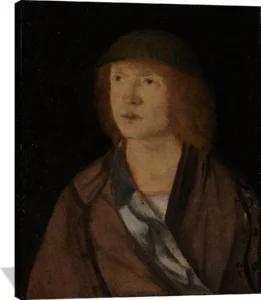
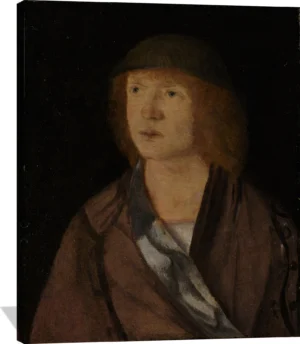
Kulmbach’s paintings reveal a sophisticated command of line and color, marked by serene compositions and expressive yet harmonious forms. He excelled in altarpieces and devotional imagery, infusing sacred narratives with clarity and gentle emotional depth. His work is recognized for its polished finish, jewel-like tones, and the subtle interplay between spiritual symbolism and naturalistic observation.
Subjects and Contributions
Specializing in religious commissions, Kulmbach created panels featuring saints, Madonna-and-Child themes, and complex multi-panel altarpieces. These works often highlight his skill in orchestrating richly costumed figures and delicately rendered landscapes. He played a key role in shaping Nuremberg’s artistic identity during a transitional moment, helping to introduce Renaissance sensibilities while maintaining the characteristic precision of German painting.
Cultural Significance
Kulmbach stands as a vital link between late Gothic traditions and the developing Renaissance style in Northern Europe. His collaborations with Dürer’s workshop and his independent commissions established him as a respected master whose works embodied both innovation and continuity. Today, his paintings remain valued for their elegant craftsmanship and their ability to convey devotional themes with intimate clarity.