Artistic Style
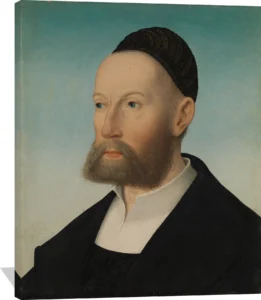
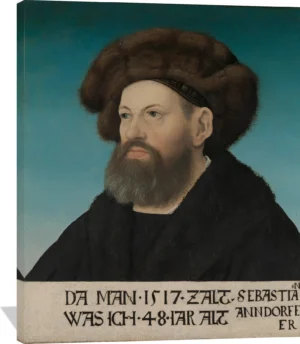
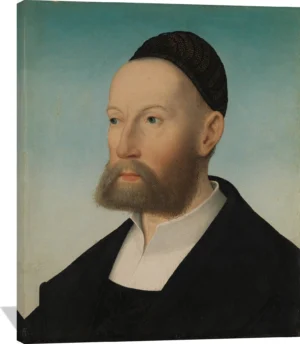
Maler’s work is distinguished by its precise draftsmanship, smooth surfaces, and disciplined control of detail. His portraits often feature composed sitters set against plain, dark backgrounds, a technique that heightens the focus on facial expression and attire. This clarity and restraint align him with the traditions of the Northern Renaissance while showcasing his own subtle sensitivity to character.
Subjects and Notable Contributions
Best known for his intimate bust-length portraits, Maler frequently depicted nobles, merchants, and members of the Habsburg court. His likenesses convey a quiet psychological depth, revealing the confidence, introspection, or authority of his sitters without excess embellishment. Works such as his portraits of Anne of Hungary and Ferdinand I stand as enduring examples of his ability to blend realism with courtly dignity.
Legacy and Significance
Maler’s paintings offer a clear window into the sophistication of early sixteenth‑century Central Europe. His disciplined approach and exacting observation positioned him as a leading figure in the transition between late Gothic traditions and the emerging Renaissance sensibility in the German-speaking world. Today, his surviving portraits remain valued for their elegance, authenticity, and the important historical personalities they preserve with remarkable clarity.