
Artwork by Hans Brosamer

Hans Brosamer, a German artist active by 1536 and believed to have died around 1552, is recognized for his refined draftsmanship and influential role in early Renaissance printmaking. His work reflects the technical precision and humanist spirit that defined Northern European art in the first half of the sixteenth century.

More about Hans Brosamer

Products

Showing the single result

  • Katharina Merian by Hans Brosamer, canvas print

    Katharina Merian

    Hans Brosamer

    Canvas from

    $44.00

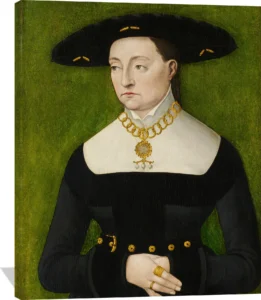
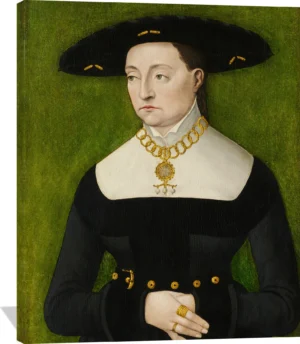
    The Hans Brosamer Katharina Merian canvas captures the quiet dignity of Renaissance portraiture with refined precision. Set against a rich green background, the sitter’s calm expression and elegant black-and-white attire are accented by touches of gold, creating a striking balance of restraint and opulence. The vertical composition and luminous tones lend a timeless sophistication to…

    Select optionsLoading Done This product has multiple variants. The options may be chosen on the product page

Showing 1 of 1 products

About Hans Brosamer

Artistic Style

Brosamer’s style is distinguished by meticulous linework, balanced compositions, and a keen sensitivity to human expression. His woodcuts and engravings often demonstrate a sophisticated interplay of light and shadow, revealing a mastery that placed him among the notable printmakers of his generation.

Subjects and Themes

He produced portraits, religious scenes, and allegorical imagery, crafting figures with vivid detail and psychological presence. Brosamer is especially known for his portraits of prominent contemporaries, where his precise contours and subtle modeling conveyed both likeness and character.

Legacy and Significance

As printmaking became increasingly central to the dissemination of ideas, Brosamer contributed significantly to its evolution. His works reflect the cultural and intellectual atmosphere of the German Renaissance, merging technical prowess with the era’s expanding humanist thought. Today, he is admired for his exceptional draftsmanship and his role in advancing early modern printed imagery.