Artistic Style and Approach
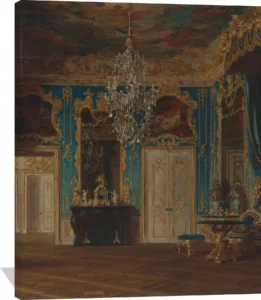
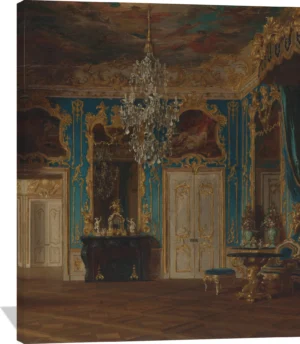
Benczúr worked in a refined academic style grounded in realism and classical composition. His paintings are distinguished by meticulous detail, elegant figure rendering, and a polished surface quality that reflects his mastery of traditional European academism. He excelled at capturing expressive gestures and sumptuous textures, giving his works a heightened sense of drama and sophistication.
Subjects and Themes
Best known for his grand historical scenes, Benczúr portrayed pivotal moments from Hungarian and European history with theatrical clarity and narrative richness. He also produced striking portraits that reveal his sensitivity to character and atmosphere. His oeuvre includes depictions of royalty, statesmen, and cultural figures, often presented with a sense of ceremony and timeless dignity.
Cultural Impact
Benczúr played a vital role in shaping Hungary’s visual identity during the late 19th and early 20th centuries. As a leading figure of the Hungarian art world and an influential teacher, he helped define academic painting for generations. His works remain treasured for their technical excellence and their ability to fuse national history with the grandeur of European academic tradition.