Artistic Style
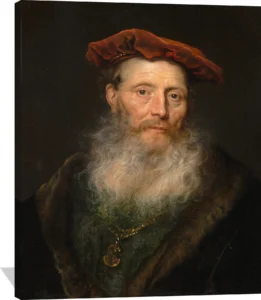
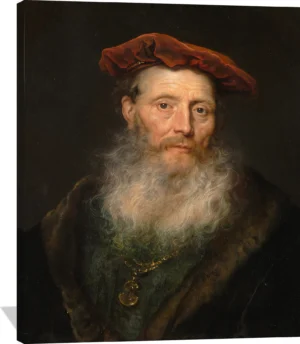
Flinck’s work reflects the refined realism and dramatic chiaroscuro associated with the Rembrandt school, yet he developed a more polished, courtly manner that resonated with elite patrons. His paintings often balance intimate naturalism with a poised, luminous elegance, making his style both accessible and sophisticated.
Subjects and Themes
He was celebrated for expressive portraiture, capturing sitters with a sense of warmth and dignity that set his work apart. Alongside portraits, Flinck produced historical and allegorical compositions, as well as scenes drawn from the Bible and classical literature. His ability to blend narrative clarity with emotional subtlety gave his subjects enduring appeal.
Legacy and Significance
Flinck became one of Amsterdam’s most sought-after painters, commissioned for civic decorations and prominent public works. His contributions reflect a pivotal moment in Dutch art, when refined technique and humanistic storytelling converged. Today, his paintings remain admired for their harmonious composition and masterful handling of light, hallmarks that secure his place as a key figure of the Dutch Golden Age.