Artistic Style and Influences
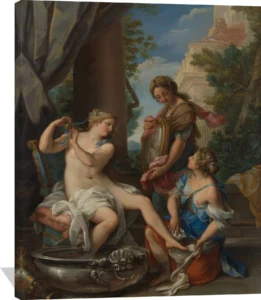
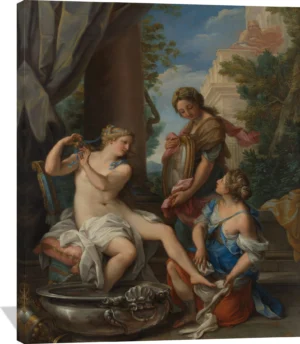
Chiari’s paintings are distinguished by their polished clarity, graceful figures, and harmonious compositions. His style blended the disciplined draftsmanship of the Maratti school with gentle color transitions and a heightened sense of narrative drama. This combination lent his works a distinctive serenity within the exuberant Baroque environment, marking him as a key figure in the shift toward the lighter, more courtly aesthetics that foreshadowed the Rococo.
Subjects and Themes
Working extensively for Roman churches, noble families, and papal patrons, Chiari favored religious and mythological subjects. His canvases often depict saints, allegories, and episodes from scripture, rendered with soft radiance and emotionally resonant gestures. Even in large fresco cycles, his figures retain an intimate expressiveness that highlights his gift for storytelling and his sensitivity to sacred themes.
Legacy and Significance
As one of the most respected painters of his generation, Chiari helped sustain and evolve the classical Baroque tradition in Rome. His influence extended through his many pupils and through his participation in major public commissions that shaped the city’s visual culture. Today, he is remembered for his refined craftsmanship and his ability to balance grandeur with lyrical elegance, qualities that give his works enduring appeal.