Artistic Style
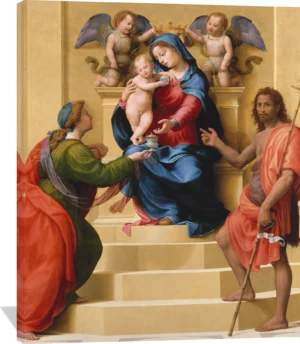
Bugiardini’s work reflects the refined harmony typical of the Florentine school. His paintings are known for their balanced compositions, serene facial expressions, and luminous color palettes. While influenced by contemporaries such as Michelangelo and Fra Bartolommeo, he cultivated a more intimate and contemplative approach, marked by soft modeling and a strong sense of human presence.
Subjects and Themes
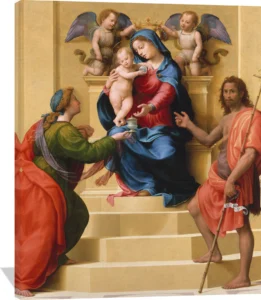
He specialized in religious imagery, creating devotional scenes and altarpieces that emphasized spiritual warmth over dramatic intensity. Madonnas, saints, and narrative biblical moments were frequent subjects, rendered with an inviting simplicity that made his works appealing to both private patrons and ecclesiastical settings.
Historical Significance
As a dedicated member of Florence’s artistic community, Bugiardini contributed to the diffusion of Renaissance ideals during a pivotal cultural era. Though less celebrated than some of his peers, he produced artworks that embody the values of clarity, balance, and humanistic expression. His legacy rests in his ability to translate the grandeur of the Renaissance into a more personal and approachable visual language.