Artistic Style
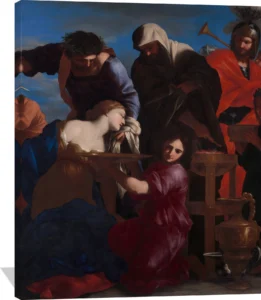
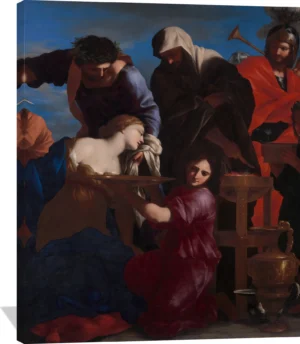
Romanelli’s paintings are known for their polished clarity, harmonious compositions, and a gentle radiance that reflects the transition from the exuberant Roman Baroque to a more courtly, serene aesthetic. His figures are poised and graceful, rendered with smooth contours and a controlled sense of movement. This combination of subtle drama and refined execution made him a favored painter among Roman elites and European patrons.
Subjects and Notable Contributions
He specialized in mythological and religious narratives, often portraying scenes from the lives of saints, classical legends, and episodes from the Bible. Romanelli’s storytelling is marked by visual clarity and emotional restraint, offering viewers an accessible yet dignified interpretation of complex themes. His fresco cycles and panel paintings frequently feature richly colored drapery, expressive but composed gestures, and carefully balanced architectural settings.
Cultural and Historical Significance
During his career, Romanelli completed important commissions for noble families and papal patrons, which helped spread his influence beyond Rome. His work contributed to shaping a more refined branch of Baroque painting, blending grandeur with a courtly elegance that would resonate with later generations of artists. Today, his paintings are valued for their beauty, craftsmanship, and their role in defining a sophisticated, radiant vision of seventeenth-century Italian art.