Artistic Style
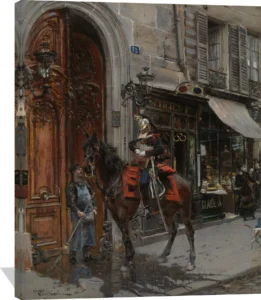
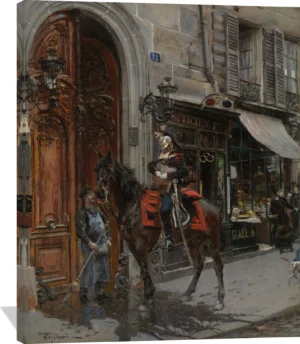
Boldini’s work is distinguished by its fluid, sweeping strokes and a sense of motion that brings each figure vividly to life. His paintings balance precision with spontaneity, creating portraits that feel both elegant and dynamic. This signature style, often described as virtuosic and atmospheric, set him apart within the international art scene.
Notable Subjects
Renowned for his portrayals of fashionable women, writers, and aristocrats, Boldini captured the glamour and sophistication of Belle Époque Paris. His subjects appear animated and confident, their silhouettes elongated and draped in luminous textures. Works such as Portrait of the Countess de Martel de Janville showcase his ability to convey personality through gesture and light.
Cultural Significance
Boldini played a defining role in shaping the visual identity of his era. His portraits not only documented the cultural elite but also contributed to the broader evolution of modern portraiture. Revered for his expressive technique and acute psychological insight, he remains a key figure in the transition from nineteenth‑century realism to the more atmospheric sensibilities of early modern art.