Artistic Style
Gaulli’s work is characterized by an exceptional command of movement, atmospheric effects, and emotional intensity. Influenced by Bernini and the thriving artistic culture of 17th‑century Rome, he embraced a dynamic vocabulary of sweeping forms, radiant glazes, and theatrical contrasts. His style merges painterly softness with sculptural clarity, creating compositions that feel both earthly and transcendent. The use of dramatic illusionism figures dissolving into clouds, light cascading from divine sources, and architecture opening into celestial realms became a hallmark of his mature work.
Notable Contributions
Gaulli’s most renowned achievement is the monumental ceiling fresco of the Church of the Gesù in Rome, particularly the breathtaking Triumph of the Name of Jesus. This masterpiece epitomizes the Baroque synthesis of painting, sculpture, and architecture, showcasing his ability to blend real and imagined space with unrivaled virtuosity. His contributions extended beyond large‑scale fresco cycles to refined altarpieces and devotional works that reveal his sensitivity to gesture, expression, and the interplay of light and shadow.
Typical Subjects
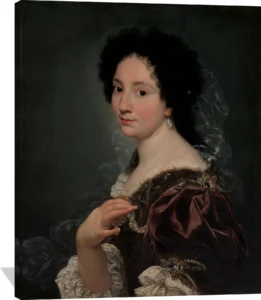
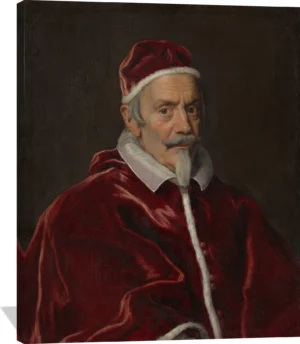
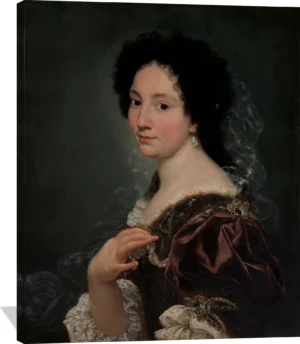
Gaulli’s subjects reflect the spiritual fervor of Counter‑Reformation Rome. He frequently painted scenes of ecstatic saints, heavenly visions, and biblical narratives charged with emotion. His figures, whether serene or dramatically foreshortened, are rendered with a luminous palette and expressive delicacy that underscore the intensity of their divine encounters.
Cultural and Historical Significance
As a favored artist of the Jesuits and a close associate of Bernini, Gaulli played a central role in shaping the visual identity of Rome during the Baroque era. His ability to merge painterly brilliance with architectural space influenced generations of artists and established new expectations for sacred imagery. Today, his work stands as a defining example of the Baroque pursuit of awe, devotion, and sensory richness.