Artistic Style
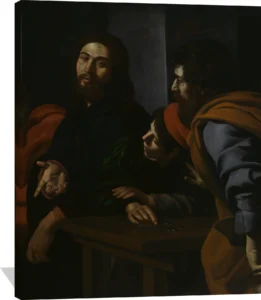
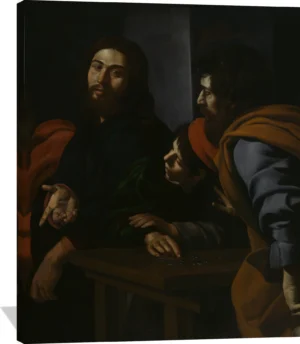
Caracciolo embraced the naturalism and bold contrasts championed by Caravaggio, yet developed a distinctly Neapolitan voice. His compositions are defined by concentrated light, sculptural forms, and a deep psychological presence. This approach made him one of the first and most influential interpreters of the Caravaggesque tradition in Naples.
Notable Contributions
He played a crucial role in introducing and establishing Caravaggio’s visual language in his home city after encountering the master’s work around 1606. Caracciolo’s paintings bridged local Mannerist tendencies with a new, vivid realism that reshaped the region’s artistic trajectory. His influence helped ignite a generation of artists who embraced dramatic naturalism as central to Neapolitan aesthetics.
Subjects and Themes
Caracciolo is known for religious narratives, saints, and episodes from the Old and New Testaments, often rendered with theatrical immediacy. Works such as The Liberation of St. Peter and The Crucifixion of St. Andrew reveal his gift for conveying spiritual drama through gestures, lighting, and expressive human presence.
Cultural Significance
As one of Naples’s most important Baroque painters, Caracciolo forged a visual language that shaped the city’s cultural identity. His ability to merge realism with emotional depth made him a cornerstone of the Neapolitan school and a defining voice in the evolution of early Baroque art.