Artistic Style
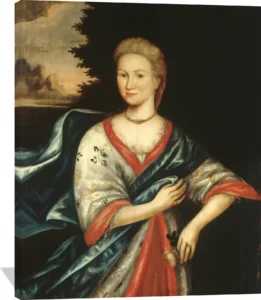
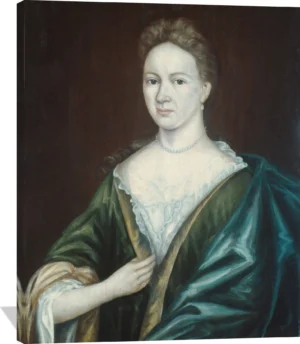
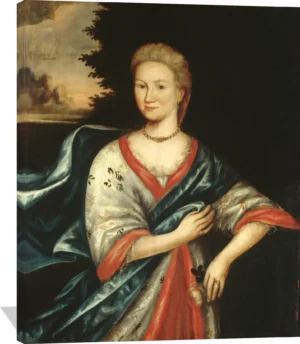
Duyckinck’s paintings reflect the restrained elegance characteristic of late seventeenth‑century Dutch portraiture. His compositions often feature clear, balanced arrangements, attentive modeling of facial features, and subtle use of light to bring warmth and presence to his sitters. This fusion of European technique with New World sensibilities helped lay the groundwork for what would become a distinctly American approach to portrait painting.
Typical Subjects and Themes
Duyckinck specialized in portraying merchants, families, and civic leaders who sought to document their status in the flourishing port city of New York. His subjects are typically shown with quiet dignity, emphasizing character and lineage over dramatic embellishment. These works often incorporate symbolic objects or finely rendered attire, offering insight into the aspirations and social identities of early colonial households.
Notable Contributions
As part of the influential Duyckinck workshop, Gerrit played a key role in expanding access to portraiture among New York’s rising professional class. His ability to merge technical skill with a pragmatic, approachable style made his work widely admired during his lifetime. The consistency and craftsmanship of the Duyckinck studio helped establish a visual record of early American society at a moment of cultural formation.
Cultural and Historical Significance
Duyckinck’s portraits hold lasting value for their vivid depiction of a community in transition from Dutch colonial roots to an increasingly English‑influenced world. Today, his surviving works are appreciated not only for their artistic merit but also for their role in documenting the identities, fashions, and aspirations of early New Yorkers. His legacy endures as a cornerstone of early American portraiture, celebrated for its clarity, restraint, and quietly expressive presence.