Artistic Style
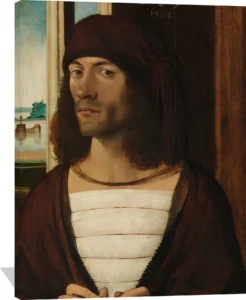
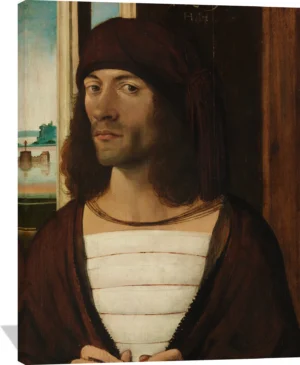
The painter’s style reflects the refined craft of Nuremberg’s flourishing artistic community, marked by precise draftsmanship, vivid coloration, and a growing interest in naturalistic detail. Figures are typically rendered with expressive clarity, balancing linear Gothic elegance with early Renaissance volume and spatial awareness. The artist’s compositions often demonstrate a strong sense of structure and narrative focus, qualities that were highly valued in the region’s religious imagery.
Subjects and Themes
Like many Nuremberg painters of the late fifteenth century, this artist specialized in devotional works, altarpiece panels, and scenes drawn from Christian scripture. Subjects such as the Nativity, the Crucifixion, and saints’ lives were frequent foundations for visually rich storytelling. Attention to symbolic detail textiles, gestures, and architectural settings contributed both to spiritual resonance and to the period’s distinctive visual identity.
Historical and Cultural Significance
Nuremberg was one of the most vibrant artistic centers in late medieval Germany, home to influential craftsmen, engravers, and painters who shaped Northern European art. This anonymous painter’s work reflects the intellectual energy of a city soon to be associated with figures like Albrecht Dürer. The artist’s contributions lie in helping bridge the traditional Gothic sensibility with the emerging humanist influences circulating through European trade and cultural exchange.
What Makes This Work Distinctive
The painter’s surviving works demonstrate a harmony of meticulous technique and emotional clarity. The combination of finely delineated contours, richly layered color, and balanced composition gives these paintings a quiet but compelling presence. Their craftsmanship captures the transition of an era, offering collectors today a window into a pivotal moment when German art moved toward a more naturalistic and intellectually engaged visual language. This blend of spiritual purpose and evolving artistic sophistication underscores the enduring appeal of this Nuremberg master and the cultural world from which the works emerged.