Artistic Style
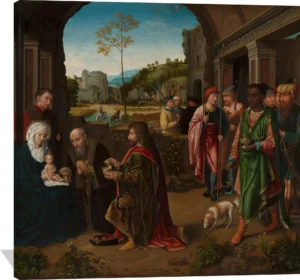
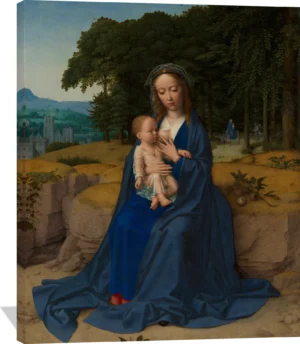
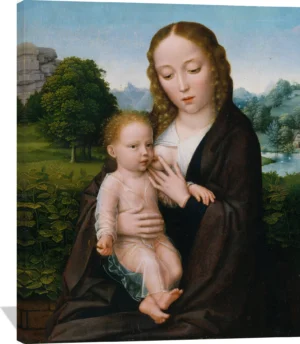
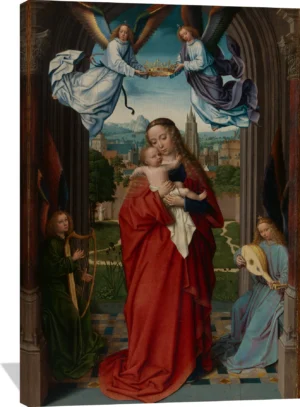
David’s paintings are distinguished by their luminous color, meticulous detail, and unusually calm, balanced arrangements. His mastery of oil glazing allowed him to create soft transitions of light and a gentle naturalism that set his work apart. Figures often appear contemplative, their expressions subtle yet deeply human. Landscapes behind them unfold with clear atmospheric depth, reflecting a growing interest in the natural world.
Notable Contributions
As one of the final great painters of the Bruges school, David bridged the highly detailed style of early Netherlandish masters with the evolving sensibilities of the sixteenth century. His altarpieces, devotional panels, and narrative scenes display a distinctive blend of precision and spiritual intimacy. Works such as the Virgin and Child with Saints and the Judgment of Cambyses reveal both his technical finesse and his ability to communicate moral and emotional clarity.
Subjects and Themes
David is most celebrated for religious imagery that conveys a quiet, contemplative mood. Madonnas, saints, and biblical narratives dominate his oeuvre, rendered with gentle expressions and harmonious compositions. He also created powerful civic commissions, using vivid storytelling and visual symbolism to convey themes of justice and virtue.
Cultural Significance
Gerard David holds a central place in Northern Renaissance art for his ability to synthesize tradition with innovation. He preserved the exquisite detail and devotional intensity of earlier masters while embracing a softer, more unified pictorial style. His work influenced generations of painters across the Low Countries and remains admired for its serene beauty, emotional subtlety, and remarkable technical precision.