Artistic Style
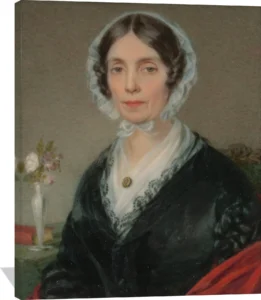
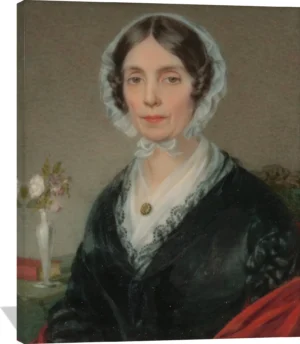
Saunders developed a polished, meticulously observed portrait style rooted in the British academic tradition. His works often reveal subtle psychological insight, with a focus on elegantly modeled faces, controlled lighting, and carefully rendered fabrics. The result is a balance of naturalism and poise that made his portraits appealing to both private patrons and cultural institutions.
Notable Contributions
Active in Britain and, for a period, in the United States, Saunders became known for his ability to produce portraits that conveyed refinement without theatricality. His disciplined approach helped solidify the visual record of influential figures of his era. While he did not seek prominence through large public commissions, his steady output contributed meaningfully to the enduring tradition of nineteenth‑century British portraiture.
Subjects and Themes
His portraits primarily depict distinguished individuals, intellectuals, and members of the upper middle class, rendered with a sensitivity that suggests character rather than mere likeness. Whether portraying civic leaders or private citizens, Saunders favored compositions that highlight presence and individuality. In works such as Portrait of a Gentleman or Lady in a Blue Dress typical subjects for his oeuvre he demonstrates his gift for creating understated yet resonant imagery.
Cultural Significance
Saunders occupies a meaningful place within the visual culture of nineteenth‑century Britain. His paintings serve as important documents of a society in transition, capturing the aspirations and identities of a rising professional class. Through his skilled depiction of personality and his commitment to clarity and elegance, he contributed to the lineage of portraitists who shaped how modern viewers understand the period. His work remains valued for its craftsmanship, historical relevance, and the quiet sophistication that defines his artistic legacy.