Artistic Style
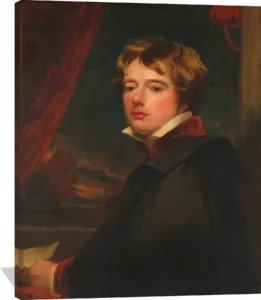
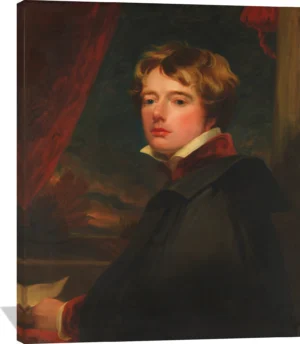
Harlow’s work is recognized for its spirited brushwork, refined color sense, and a dramatic interplay of light and shadow. He favored a naturalistic yet elegant approach, capturing the subtleties of personality with immediacy. His portraits often reveal a sensitivity to mood, demonstrating a balance between classical influence and a freer, more intuitive technique.
Subjects and Contributions
Best known for his portraits of actors, cultural figures, and members of fashionable society, Harlow brought a heightened theatricality to his sitters without sacrificing authenticity. His celebrated group portrait of the Drury Lane cast in The Trial Scene from Hamlet stands as one of his most ambitious achievements, showcasing his ability to orchestrate complex compositions while maintaining psychological clarity.
Legacy
Although his career was brief, Harlow’s impact was notable. His confident approach and fresh interpretation of portrait tradition positioned him as a rising figure of the Regency art world. Today, he is remembered for his inventive portrait style and for the expressive vitality that distinguished his work within early nineteenth‑century British painting.