Artistic Style
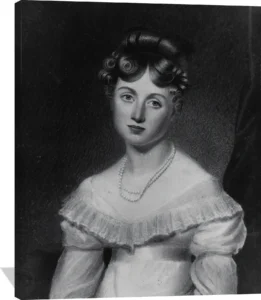
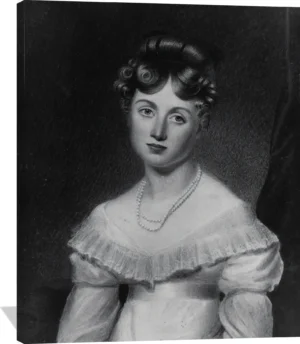
Freeman’s style balanced the clarity of traditional academic training with the emerging tastes of Victorian Britain. His works often display meticulous linework, controlled shading, and a composed visual harmony. Though rooted in realism, his portraits contain a gentle atmospheric quality that distinguishes his hand and gives his subjects a sense of immediacy.
Notable Contributions
Recognized primarily for his portrait drawings and engraved illustrations, Freeman participated in the expansion of accessible visual media during the early nineteenth century. His contributions to printed imagery supported the period’s growing appetite for illustrated publications, helping shape how public figures and cultural narratives were represented. Through his careful technique, he became part of a broader movement that elevated illustration into a respected artistic discipline.
Typical Subjects
Freeman’s subjects frequently included notable individuals, professionals, and cultural figures, captured with a restrained elegance that highlighted personality without exaggeration. He also produced genre scenes and historical subjects, treating each with the same dedication to proportion, clarity, and emotional reserve. Whether depicting a sitter’s contemplative expression or the quiet drama of a historical moment, his work reflects a focus on truthful representation.
Cultural Significance
As an artist working at the intersection of fine art and print culture, Freeman holds a place among the early Victorian creators who helped shape public visual identity. His images circulated broadly, offering viewers a consistent standard of refinement and helping lay the groundwork for later developments in illustrated media. His legacy rests in the enduring craftsmanship and steady artistic character that define his oeuvre.