Artistic Style
Chinnery’s work is defined by fluid brushwork, atmospheric light, and a naturalistic approach that balanced European academic training with the immediacy of on‑site sketching. His drawings and paintings capture a sense of movement and humanity, giving his subjects a lively spontaneity that remains a hallmark of his oeuvre.
Subjects and Themes
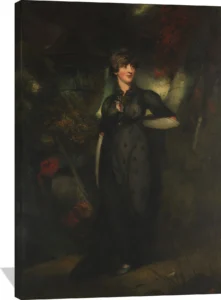
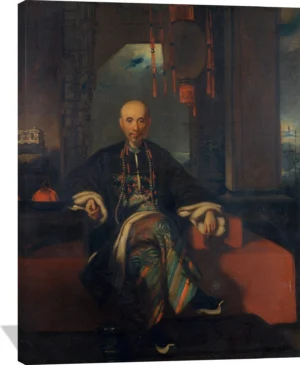
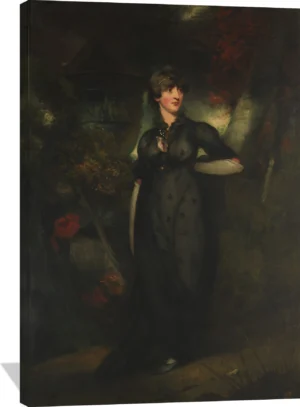
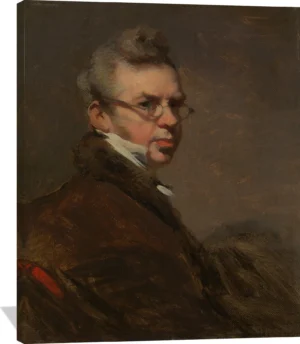
Best known for his scenes of daily life, Chinnery depicted bustling streets, harbor activity, merchants, artisans, and travelers. He also produced portraits that conveyed psychological depth and subtle character study. His extensive sketchbooks preserve an invaluable record of 19th‑century Macau and southern China, making him one of the period’s most significant visual chroniclers.
Legacy and Significance
Chinnery was the first major Western artist to work long‑term in the Pearl River Delta region, and his presence influenced generations of local painters. His artworks offer exceptional insight into cross‑cultural encounters during a formative period in Asian and European exchange. Today, he is recognized for his distinctive documentary sensitivity and his enduring contribution to the visual history of Asia.