Artistic Style and Approach
De Crayer’s work is marked by a graceful synthesis of Flemish detail and the dramatic emotional clarity associated with the Baroque. Strong yet controlled chiaroscuro, elegant figure modeling, and balanced compositions define his mature style. Though influenced by artists such as Rubens and Van Dyck, he maintained a distinctive serenity in his scenes, emphasizing dignity and devotional intensity over theatrical flourish.
Subjects and Themes
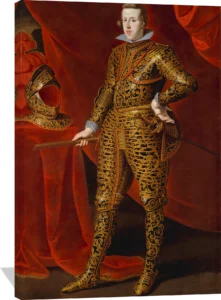
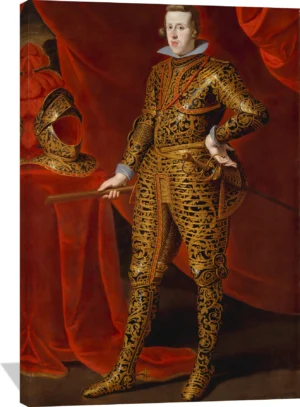
He is best known for large-scale altarpieces portraying moments from the lives of saints, the Virgin Mary, and Christ. These works often feature gentle luminosity, expressive gestures, and faces conveying introspective devotion. His portraits, created for noble and ecclesiastical patrons, demonstrate a similar sensitivity, presenting sitters with poised presence and subtle psychological depth.
Cultural and Historical Significance
As one of the leading painters in the Southern Netherlands during the seventeenth century, de Crayer contributed significantly to the visual identity of Counter-Reformation art. His altarpieces were commissioned across Flanders and even abroad, spreading his influence well beyond Brussels. Today, he is recognized for his role in refining the Baroque idiom into a more contemplative, elegantly restrained form that resonated with spiritual audiences of his era.
Legacy
Gaspar de Crayer’s enduring legacy lies in his ability to convey emotional depth through harmonious composition and gentle dramatic focus. His paintings continue to be appreciated for their clarity, devotion, and the poised beauty characteristic of the Flemish Baroque.