Artistic Style
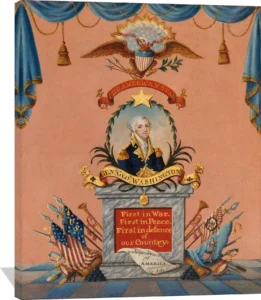
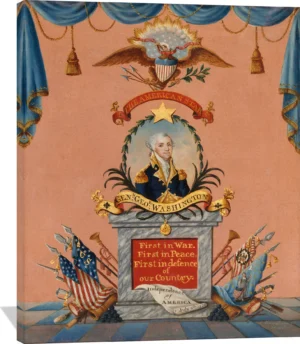
Kemmelmeyer is best known for his distinctive folk style, marked by clear outlines, direct compositions, and a sincere, unembellished approach to likeness. His paintings balance naïve charm with careful observation, resulting in imagery that feels both personal and historically grounded. This combination has made his work a valued window into American visual culture of the late eighteenth and early nineteenth centuries.
Subjects and Themes
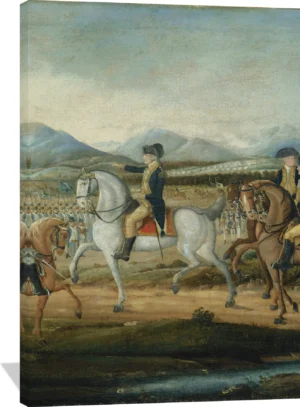
While he created many private commissions, including portraits of merchants, families, and local leaders, Kemmelmeyer also produced patriotic and historical scenes. Works such as George Washington Reviewing the Western Army at Fort Cumberland reflect his interest in national identity and public life. His depictions often highlight the growing American spirit, portraying figures with a sense of dignity and moral clarity.
Notable Contributions
Kemmelmeyer’s paintings serve as important records of early American dress, social customs, and civic events. His ability to blend portraiture with historical narrative positions him as a significant chronicler of the nation’s formative decades. The accessibility of his style and the sincerity of his renderings underscore his role as a representative of early American folk art.
Cultural Significance
Today, Kemmelmeyer’s work is appreciated for its authenticity and its contribution to understanding the cultural landscape of post-Revolutionary America. His portraits and patriotic scenes offer insight into how Americans saw themselves during a period of rapid political and social change. As a result, he holds a respected place in the history of American art, remembered for his distinctive folk aesthetic and his dedication to capturing the character of a young nation.