Artistic Style
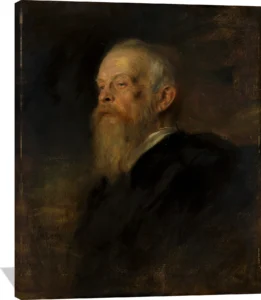
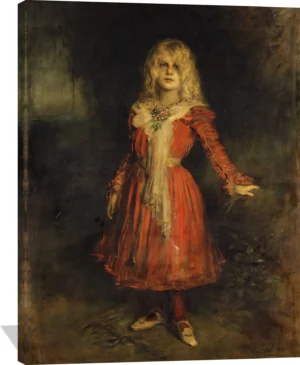
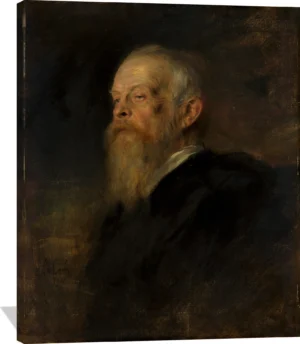
Lenbach’s work is defined by rich, painterly surfaces, nuanced chiaroscuro, and a restrained yet expressive palette. His portraits often feature subdued backgrounds that focus attention on the psychological presence of the subject, a hallmark that earned him a reputation as a consummate interpreter of personality. His technique balanced careful observation with a subtly idealizing touch, allowing his paintings to project both realism and dignified grandeur.
Typical Subjects
Specializing in depictions of political, cultural, and intellectual figures, Lenbach created lasting images of many of the era’s most prominent individuals. His portraits of statesmen, aristocrats, and thinkers helped shape the public image of Europe’s elite, making him a central figure in the visual culture of his time.
Cultural Significance
As a leading member of the Munich art world, Lenbach contributed to the city’s emergence as a key artistic center in the late nineteenth century. His works encapsulate the refined sensibilities of the period, offering insight into the social aspirations and aesthetic values of the German Empire. Revered for his ability to capture the gravitas and individuality of his sitters, he remains an important figure in the history of European portraiture, remembered for his role in defining the era’s aristocratic portrait tradition and for his enduring influence on modern understandings of artistic identity and representation.