Artistic Style
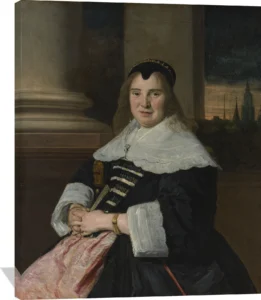
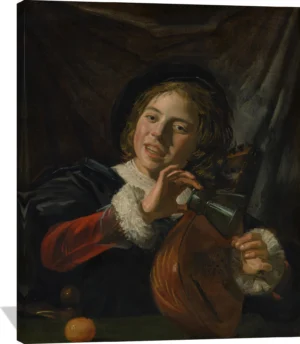
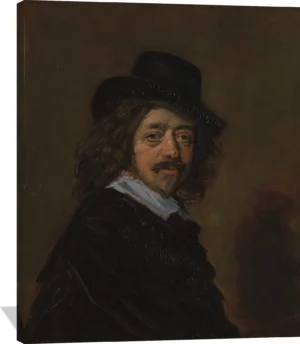
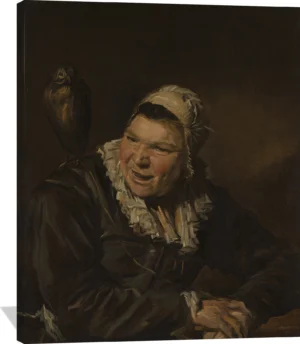
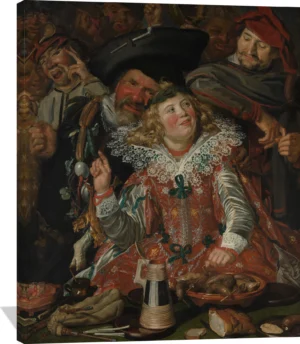
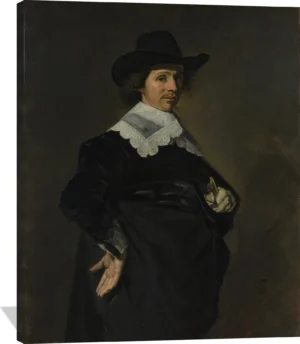
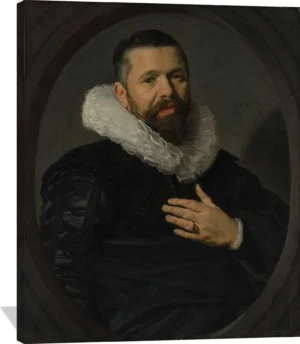
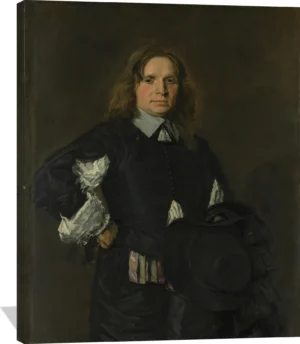
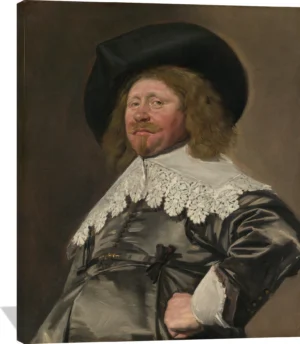
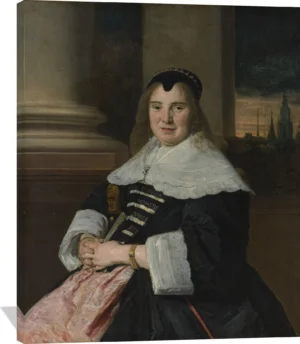
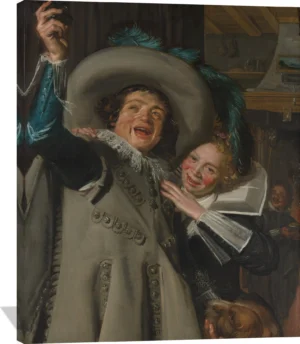
Hals is renowned for his loose, lively technique, characterized by confident strokes that convey immediacy and presence. His mastery of naturalistic lighting and spontaneous gesture helped define a new, dynamic visual language in seventeenth‑century portraiture, making him a pivotal figure in the evolution of European painting.
Subjects and Contributions
Best known for his portraits of Haarlem’s civic guards, wealthy merchants, and everyday townspeople, Hals brought individuality and warmth to each sitter. Works such as his militia group portraits and expressive character studies, including the spirited The Laughing Cavalier, display his talent for capturing personality with striking clarity. His approach influenced later generations of artists, including the Impressionists, who admired his energetic handling of paint.
Cultural Significance
As a central figure of the Dutch Golden Age, Hals played a key role in shaping the era’s artistic identity. His ability to portray humanity with both vitality and psychological depth remains a defining contribution to Western art. Today, he is celebrated for his innovative technique, enduring influence, and the unmistakable liveliness that distinguishes his work as that of a master portraitist.