Artistic Style
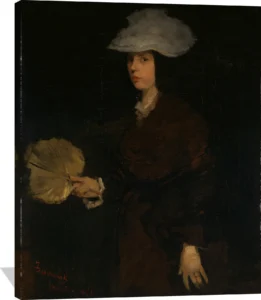
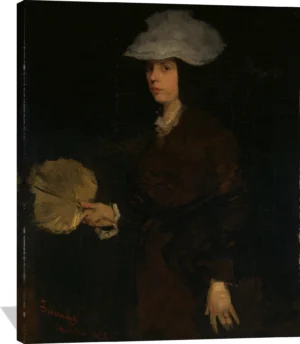
Duveneck’s style is distinguished by its vigorous, confident strokes and rich, earthy palette. Influenced by the Munich School, his paintings often feature dramatic contrasts of light and shadow that heighten emotional intensity. His portraits, in particular, reveal a striking immediacy and psychological presence, showcasing his ability to capture both likeness and character with remarkable economy.
Notable Subjects
Though widely known for his portraits, Duveneck also created compelling figure studies and occasional genre scenes. His students, friends, and fellow artists frequently served as models, allowing him to explore subtle expressions and human complexity. Works such as The Whistling Boy exemplify the youthful energy and realism that became hallmarks of his oeuvre.
Cultural and Historical Significance
As a central figure in the Cincinnati art scene and the European-influenced American art movement of his time, Duveneck played a vital role in shaping American artistic identity. His mentorship particularly through the group later known as the “Duveneck Boys” helped introduce progressive techniques to new generations of painters. Today, he remains celebrated for his masterful draftsmanship and for elevating American realism through a distinctly bold and expressive vision.