Artistic Style
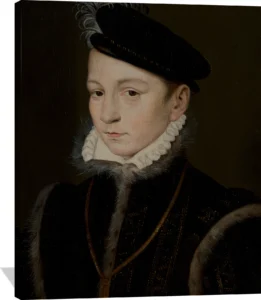
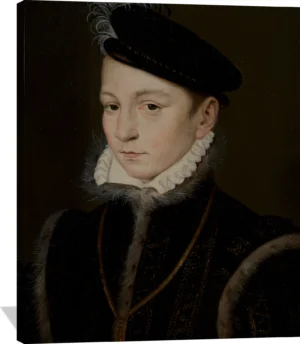
Clouet’s paintings are distinguished by their meticulous draftsmanship, luminous surfaces, and subtle modeling of flesh tones. He combined the clarity of Northern European technique with the grace of French courtly aesthetics, producing images that are both intimate and highly controlled. His detailed renderings of fabrics, jewels, and textures became a hallmark of his refined approach, revealing the sitter’s status with quiet sophistication.
Notable Contributions
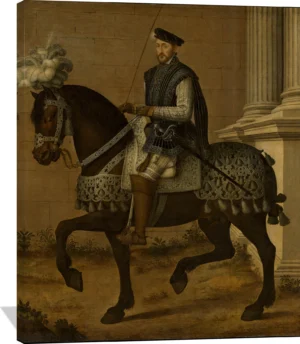
As a central figure in sixteenth‑century French art, Clouet played a crucial role in shaping the visual identity of the Valois dynasty. His portraits of monarchs and courtiers, including depictions of Catherine de’ Medici and Charles IX, offered a balanced blend of accuracy and idealization. The clarity and restraint of his linework had a lasting influence on French portrait tradition, setting a standard for elegance and naturalism. His workshop also produced numerous drawn likenesses, many of which served as preparatory studies for painted works.
Subjects and Significance
Clouet focused primarily on portraiture, portraying members of the French elite with a distinctive sense of poise. His sitters often appear calm and introspective, their expressions rendered with delicate sensitivity. These works now serve as invaluable historical records, capturing the fashion, political atmosphere, and personalities of the French Renaissance court. Through his refined vision and exceptional technical skill, Clouet helped define the visual culture of his era, leaving a legacy recognized today as a cornerstone of French Renaissance portraiture.