Artistic Style
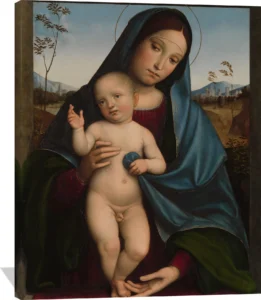
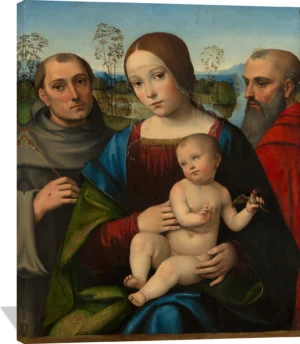
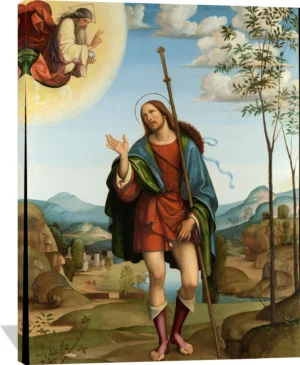
Francia’s work is distinguished by its luminous color palette, gentle tonal transitions, and quiet emotional resonance. His figures often display soft modeling and balanced proportions, creating an atmosphere of contemplative calm. Influenced by contemporaries such as Perugino and Raphael, he blended the clarity of early Renaissance form with the emerging elegance of High Renaissance ideals.
Subjects and Notable Contributions
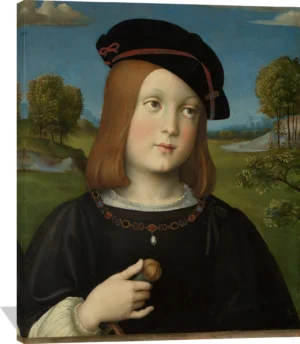
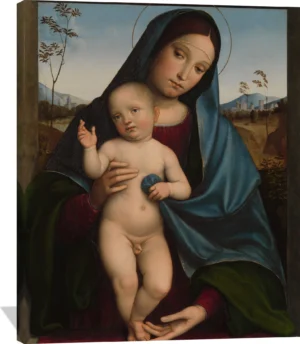
Best known for his altarpieces, tender Madonnas, and measured portraiture, Francia excelled at capturing both spiritual devotion and human presence. Works like his various interpretations of the Madonna and Child and commissions for Bolognese churches reveal his ability to merge sacred intimacy with refined visual order. His role as director of Bologna’s painters’ guild and as a mentor to younger artists contributed significantly to shaping the city’s artistic identity.
Cultural and Historical Significance
Francia stands as a key force in transforming Bologna into a vibrant Renaissance center. His synthesis of meticulous technique with a deeply humanistic sensibility positioned him as one of the region’s most respected masters. Today, his paintings remain admired for their grace, clarity, and enduring spiritual warmth, offering a compelling window into the refinement of early sixteenth-century Italian art.