Artistic Style
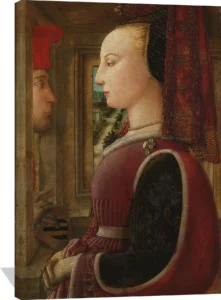
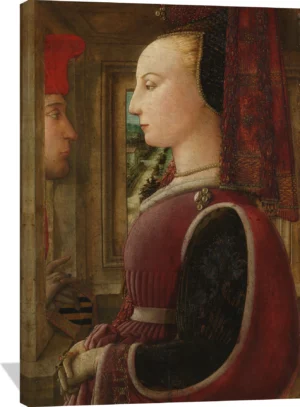
Lippi’s style is distinguished by graceful linework, soft modeling, and an intimate emotional tone. His figures possess a vivid naturalism, often marked by expressive faces and delicately rendered hands. He masterfully combined late Gothic elegance with the emerging Renaissance interest in depth, perspective, and the study of the human form.
Notable Subjects and Themes
Renowned for his devotional imagery, Lippi frequently painted the Madonna and Child, saints, and episodic fresco cycles. Works such as his celebrated treatments of the Annunciation and the Adoration highlight his ability to infuse sacred stories with warmth and everyday humanity, a quality that became a defining hallmark of his art.
Cultural Significance
Lippi’s fusion of spiritual narrative and lifelike observation exerted a profound influence on Florentine painting. His frescoes in the Cathedral of Prato and his final project in Spoleto exemplify his mature vision, where rich color harmonies and finely orchestrated compositions reveal a painter committed to elevating religious art through beauty, immediacy, and a distinctly human touch. Today, he is celebrated as a formative voice in the evolution of Renaissance naturalism and a creator of enduringly expressive sacred imagery.