Artistic Style
Mead’s style is marked by careful draftsmanship and a refined sense of tonal balance. Whether working in graphite, ink, or watercolor, the artist favored clean contours, measured compositions, and a restrained palette that emphasized mood over ornament. This approach lends each work a contemplative quality, inviting the viewer into a world shaped by subtle contrasts and understated elegance.
Subjects and Themes
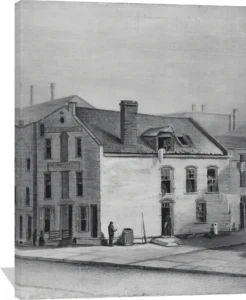
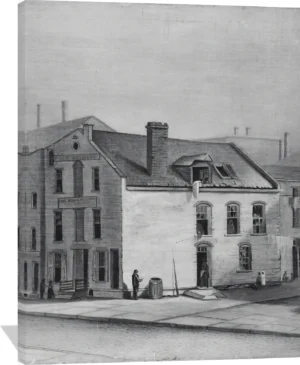
Typical subjects attributed to F. A. Mead include landscapes, architectural studies, and intimate views of natural environments. The artist’s depictions often capture the interplay between human structures and their surrounding terrain, highlighting the quiet harmony found in rural and semi-urban settings. Attention to light and shadow plays a central role, creating scenes that feel both grounded in observation and gently idealized.
Contribution and Significance
Although not widely chronicled in mainstream art history, Mead’s work offers valuable insight into the period’s interest in detailed on-site study and the pursuit of clarity in representation. The artist’s commitment to precision and the evocation of place reflects a broader cultural appreciation for craftsmanship during an era that balanced tradition with emerging artistic movements. Mead’s artworks endure as thoughtful documents of their time, distinguished by their quiet sophistication and enduring sense of calm.