Artistic Style
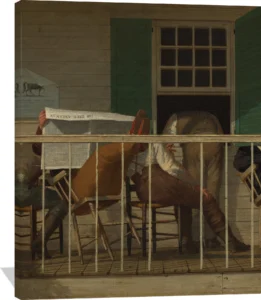
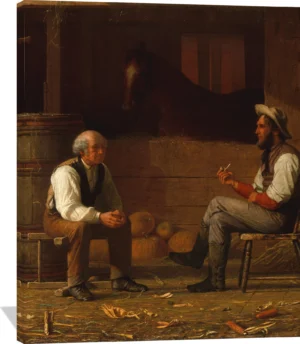
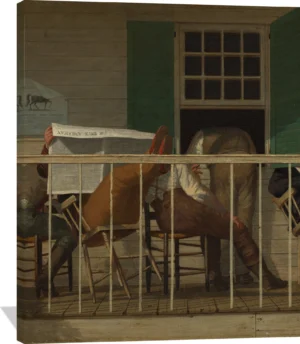
Perry worked primarily in a realist tradition, marked by finely rendered detail, naturalistic color, and an understated yet expressive touch. His paintings often reveal a balance between documentary accuracy and atmospheric charm, allowing viewers to experience both the character of his subjects and the broader cultural environment in which they lived.
Notable Subjects and Themes
He is particularly known for his portraits of prominent political and cultural figures, as well as his scenes capturing life in the American West, New England, and the Hawaiian Kingdom. During his time in Hawaii, Perry created some of his most historically valuable works, including depictions of King Kamehameha IV and Queen Emma, which offered rare visual documentation of the islands during a period of transition.
Historical and Cultural Significance
Perry’s paintings contributed to the visual record of a rapidly changing America. His depictions of New Orleans life after the Civil War, his images of frontier settlements, and his Hawaiian court paintings all serve as important cultural artifacts. Through these works, he provided future generations with insight into regional identities and social dynamics of the 19th century.
Distinctive Qualities
Perry’s art stands out for its combination of technical refinement and approachable storytelling. His portraits convey a sense of presence and dignity, while his genre scenes capture the textures of daily life with remarkable authenticity. Whether portraying statesmen, royalty, or everyday individuals, his work reflects a deep empathy for his subjects and a commitment to representing the world with clarity and grace.