Artistic Style
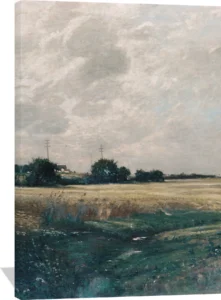
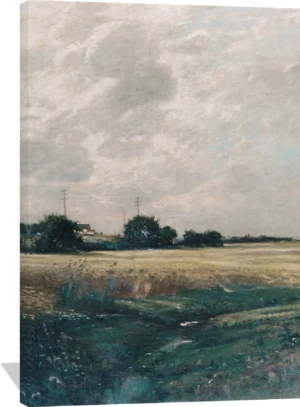
Gay’s work reflects the influence of the Hudson River School and Luminist traditions, characterized by precise detail, radiant light, and serene compositions. His paintings often convey a sense of tranquility while maintaining a strong observational accuracy that grounds them in reality. Through subtle color transitions and finely rendered textures, he transformed simple landscapes into evocative visual experiences.
Subjects and Themes
Best known for his landscapes of New York’s Hudson Valley and Long Island, Gay frequently depicted rivers, meadows, country roads, and the changing seasons. These scenes showcase his gift for capturing the interplay of light and atmosphere. Whether portraying gentle waterways or expansive rural vistas, he imbued each work with a quiet poetry that became a hallmark of his style.
Legacy and Significance
Gay’s paintings resonated during a time when Americans increasingly valued the natural environment, and his work helped shape the nation’s artistic appreciation of its own landscapes. He was associated with prominent artistic circles of his era, contributing to a cultural moment that celebrated the beauty of the American outdoors. His commitment to refined technique and his ability to elevate familiar scenery remain key elements of his enduring appeal.
Edward Gay’s legacy endures through his elegant, atmospheric landscapes, which continue to captivate viewers with their exceptional luminosity and authentic sense of place.