Artistic Style
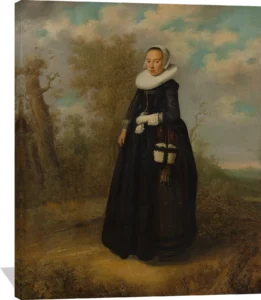
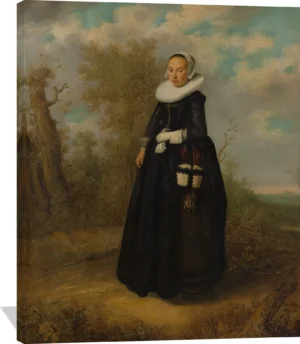
This artist’s work aligns with the signature qualities of the Dutch Golden Age, defined by meticulous detail, balanced composition, and a deep appreciation for everyday life. The painter’s technique emphasizes naturalistic textures and subtle tonal transitions, capturing the interplay of shadow and illumination that became a hallmark of the era. Such methods lent ordinary scenes a sense of quiet grandeur and emotional depth.
Subjects and Themes
Typical subjects from artists working in 1636 include intimate domestic interiors, still lifes enriched with symbolic meaning, and carefully rendered landscapes depicting the Dutch countryside. Whether portraying a modest household object or a serene natural vista, this painter’s work would have aimed to reveal beauty in the familiar, transforming simple moments into enduring visual poetry.
Cultural and Historical Significance
The year 1636 sits at the height of Dutch artistic achievement, when painters elevated realism to unprecedented clarity. Artists of this period contributed to a cultural shift that valued observation, craftsmanship, and moral reflection. Their artworks served not only as decoration but also as subtle commentaries on prosperity, transience, and daily ritual.
Distinctive Qualities
What distinguishes a Dutch painter from this era is the fusion of technical precision with atmospheric storytelling. Whether depicting a delicately lit tabletop arrangement or a thoughtfully composed scene, the artist’s sensitivity to detail and light imbued each work with authenticity and quiet emotional resonance. These qualities continue to make such paintings highly regarded for their enduring elegance and understated sophistication.