Artistic Style
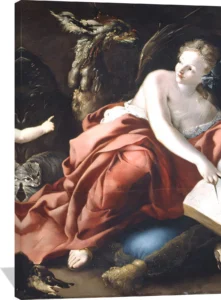
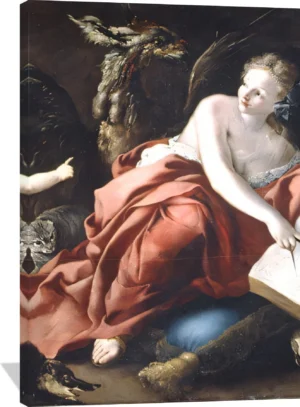
Guidobono is best known for his luminous color palette, delicate modeling, and atmospheric use of light. His work blends the grace of Ligurian tradition with a poetic softness that distinguishes him from his contemporaries. He often employed a highly decorative yet intimate visual language, creating scenes that feel both theatrical and serene.
Subjects and Themes
He frequently painted allegorical figures, mythological narratives, floral motifs, and refined still lifes. His compositions reveal meticulous attention to texture and detail, especially in the rendering of fabrics, foliage, and architectural ornament. Religious subjects also appear throughout his oeuvre, approached with a gentle emotional tone and a focus on expressive illumination.
Notable Contributions
Guidobono contributed extensively to fresco decoration in palaces and churches across northern Italy, particularly in Turin, where he worked alongside his brother Bartolomeo. His mastery of ornamental frescoes and his imaginative use of trompe‑l’oeil elements helped shape the decorative culture of the Piedmontese court.
Cultural Significance
As an artist active during a flourishing moment of cross‑regional artistic exchange, Guidobono played a meaningful role in bringing the elegance of Genoese Baroque painting into new cultural centers. His ability to merge decorative splendor with intimate visual poetry has secured his reputation as a distinctive and influential figure in Italian Baroque art.