Artistic Style
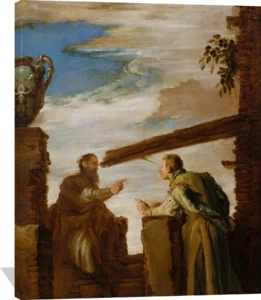
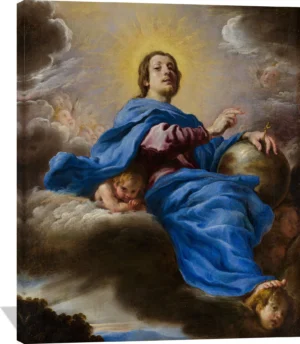
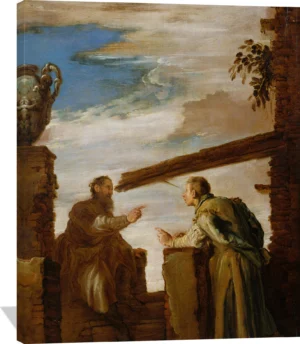
Fetti’s work is distinguished by its vibrant color harmonies, bold chiaroscuro, and carefully staged theatricality. Influenced by both the Roman Baroque and the Venetian tradition, he developed a painterly approach that combined rich tonal depth with a distinctly human psychological presence. His figures often appear caught in moments of introspection, illuminated by light that feels both physical and symbolic.
Notable Contributions
Among Fetti’s most recognized achievements is his refinement of the “parable” genre half‑length depictions of biblical and moral subjects rendered with immediacy and emotional weight. Works such as The Parable of the Good Samaritan and Meditation on the Passion exemplify his ability to unify narrative clarity with expressive intensity. His Mantuan period brought him close to the Gonzaga court, while his later Venetian years introduced a looser touch and greater chromatic richness that would influence local painters.
Subjects and Themes
Fetti frequently depicted sacred stories, allegories, and genre scenes that invited viewers to reflect on virtue, compassion, and human frailty. Even in mythological or devotional works, he infused a sense of dramatic immediacy, making spiritual themes tangible and emotionally resonant. His figures often solitary, contemplative, or caught within a moment of revelation reflect his deep interest in the power of narrative painting.
Cultural Significance
Despite his short life, Fetti left a lasting mark on seventeenth‑century art. His synthesis of Roman dynamism with Venetian color influenced contemporaries and later generations, contributing to a broader shift toward more personal and emotionally expressive imagery. Today he is recognized as a key figure in the transition between the early and High Baroque periods, celebrated for the poetic intensity and innovative storytelling that define his oeuvre.