Artistic Style
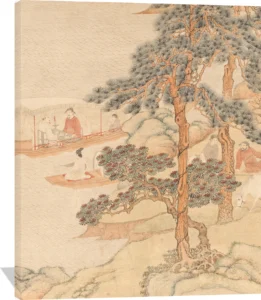
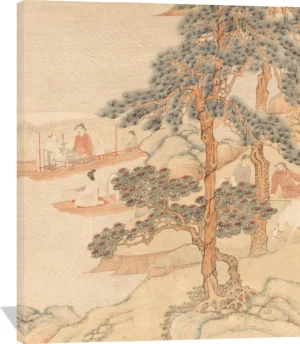
Ding Yunpeng is best known for a refined, meticulously controlled ink style that balances clarity with expressive nuance. His paintings often demonstrate a harmonious interplay between line and wash, revealing both technical discipline and poetic sensitivity. Whether rendering figures or landscapes, he pursued an aesthetic marked by lyricism and restraint.
Notable Subjects
A dedicated interpreter of historical and religious motifs, Ding Yunpeng frequently depicted Buddhist and Daoist subjects, immortals, and legendary sages. His figure paintings are admired for their dignified poses and carefully articulated drapery, while his landscapes capture the contemplative spirit of Ming literati ideals. Works such as Luohan exemplify his ability to convey spiritual presence through subtle, precise brushwork.
Cultural Significance
Ding Yunpeng occupies a meaningful place in late Ming art for his synthesis of devotional imagery with literati aesthetics. His paintings reflect a cultural climate in which scholarship, spirituality, and artistic refinement were closely intertwined. Through his thoughtful compositions and expressive lines, he contributed to the enduring visual language of Ming intellectual and religious life.