Artistic Style
Bouts is known for his calm, meditative compositions, characterized by delicate modeling, precise contour, and luminous color. He favored a restrained emotional register, allowing subtle expressions and gentle gestures to communicate psychological depth. His rigorously structured spaces reflect an early, innovative use of perspective, giving his religious scenes a sense of quiet order and contemplative clarity.
Subjects and Techniques
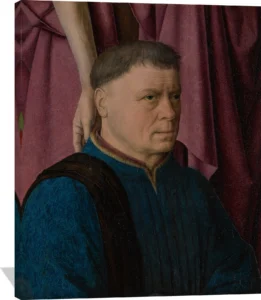
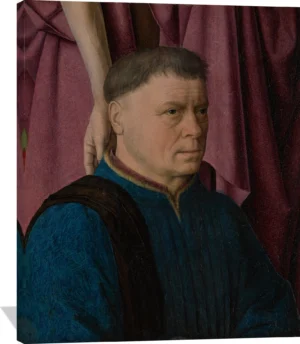
Religious narratives were central to Bouts’s career, including altarpieces, devotional panels, and serene depictions of the Virgin and Child. He also produced refined portraiture, marked by direct gazes and a strong sense of individual presence. Bouts excelled at depicting textiles, architecture, and landscape with exceptional precision. Works such as the Last Supper demonstrate his ability to combine naturalism with symbolic detail, creating images that reward careful, extended viewing.
Legacy and Significance
Bouts played a crucial role in shaping the artistic identity of Leuven, where he served as official city painter. His measured compositions and disciplined perspective helped set an emerging standard for Netherlandish panel painting. Later generations valued his solemn atmosphere, crystalline technique, and the spiritual clarity that permeates his work. Today, he is recognized as a key contributor to the Northern Renaissance, remembered for his refined realism and his quietly transformative approach to sacred narrative.