Artistic Style
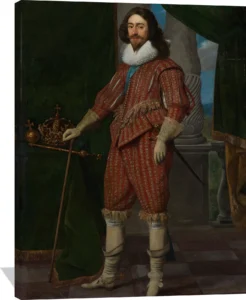
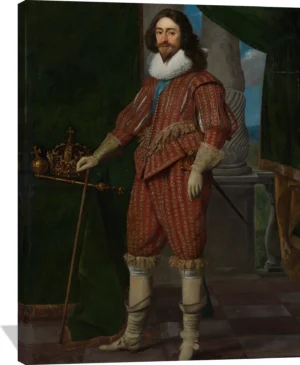
Mijtens is known for his elegant, meticulously rendered portraits that balance naturalism with quiet grandeur. His use of cool tonal harmonies, delicate modeling of flesh, and attention to luxurious fabrics reflect the emerging sophistication of Northern European portraiture. His work often conveys a poised realism that would influence later court artists.
Notable Contributions
Mijtens was among the first Dutch painters to establish a significant career in England, where he became a leading portraitist before the arrival of Anthony van Dyck. His ability to capture both likeness and status made him indispensable to aristocratic patrons. Through his innovative handling of texture and subtle psychological presence, he helped elevate the standards of English court portraiture.
Typical Subjects
He specialized in portraits of nobility, diplomats, and influential cultural figures. Sitters are often depicted with dignified composure, surrounded by rich drapery or symbolic attributes that underscore their rank. His paintings maintain an intimate directness, reflecting both individuality and the power structures of the era.
Cultural and Historical Significance
Mijtens holds an important place in the evolution of early Baroque portraiture. As a key artistic link between Dutch realism and the flourishing grandeur of the English court, he helped shape the visual identity of an influential period. His work remains valued for its clarity, refinement, and its role in defining the aesthetics of seventeenth‑century portraiture.