Artistic Style
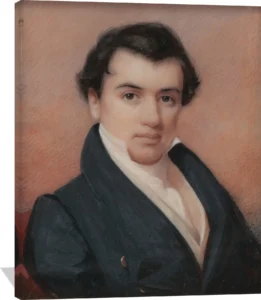
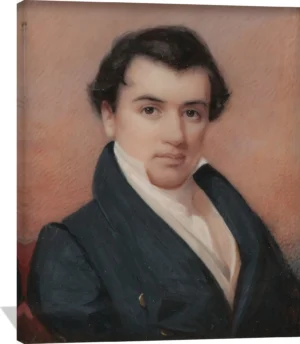
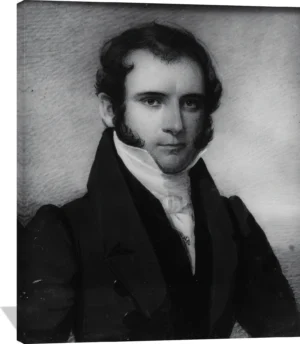
Dickinson’s approach aligns with the restrained elegance characteristic of early American portraiture. His paintings often feature clean contours, balanced compositions, and an emphasis on the sitter’s dignity. Subtle modeling and a measured use of color lend his works a calm refinement, echoing the broader aesthetic of the Federal and early Victorian eras.
Subjects and Themes
Best known for his portraits, Dickinson frequently depicted individuals and families from his regional community, creating works that serve as both personal keepsakes and historical documents. His sitters are rendered with attentive detail, from apparel to posture, capturing the social aspirations and cultural values of the time. These pieces convey a sense of stillness and introspection, giving viewers a direct connection to 19th‑century American life.
Legacy and Significance
Though not widely publicized in his lifetime, Dickinson’s paintings hold enduring appeal for their authenticity and historical resonance. They offer insight into the visual language of an America defining its identity, and his commitment to clarity and character speaks to the broader tradition of early American portraiture. Today, his surviving works are appreciated for their craftsmanship and their role in preserving the faces and stories of a formative era.