Artistic Style
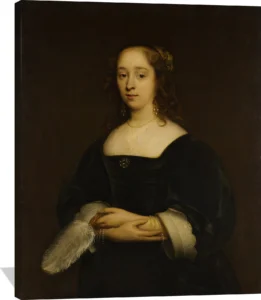
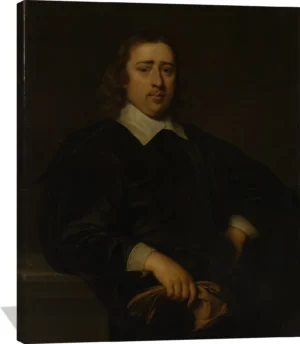
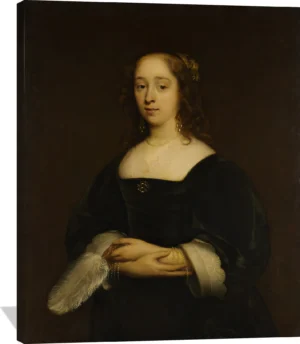
Jonson van Ceulen’s work is distinguished by its precise draftsmanship, smooth handling of oil paint, and subtle modulation of light. His portraits often exhibit a poised restraint, marked by crisp contours, controlled tonal transitions, and an almost enamel‑like surface finish. This polished realism aligns him closely with the traditions of Dutch and Flemish portraiture while reflecting the tastes of the English elite among whom he built much of his early career.
Subjects and Approach
Specializing in individual and family portraits, he captured sitters with a level of clarity and psychological presence that made his work highly sought after. Lace collars, shimmering textiles, and finely delineated facial features reveal his focus on material accuracy and social distinction. His subjects, often members of the gentry and rising professional classes, are rendered with a balanced sense of dignity and immediacy.
Notable Contributions
Jonson van Ceulen played a significant role in shaping portrait conventions in early Stuart England, offering an alternative to more theatrical court portraiture through his measured, intimate style. After relocating to the Dutch Republic, he continued to refine this approach, contributing to the broader evolution of portrait painting during a period of flourishing artistic exchange between England and the Netherlands.
Cultural Significance
Remembered today as one of the foremost portrait painters bridging English and Dutch artistic circles, Jonson van Ceulen embodies the cosmopolitan nature of seventeenth‑century art. His poised realism and technical finesse make his work a compelling choice for collectors seeking portraits that combine historical insight with enduring aesthetic appeal. His legacy endures in the precision and quiet sophistication that define his art.