Artistic Style
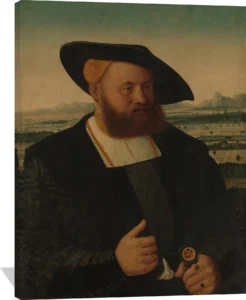
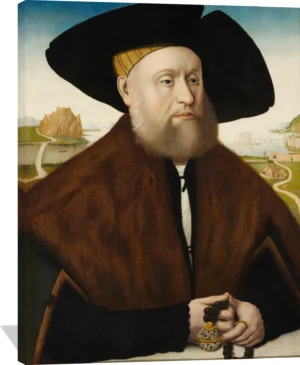
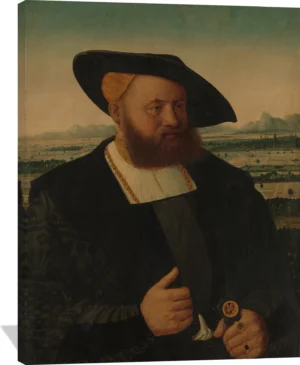
Faber von Creuznach’s work reflects the Northern Renaissance fascination with precision and clarity. His portraits often feature meticulously detailed textiles, lifelike flesh tones, and a composed, frontal presentation that heightens the sitter’s presence. His style combines a cool, measured realism with subtle psychological depth, giving his subjects both dignity and immediacy.
Subjects and Themes
He specialized in civic and patrician portraiture, creating images that documented the rising merchant classes of Frankfurt and the Rhineland. Many of his works incorporate heraldic elements, devotional symbols, or finely rendered architectural settings. These portraits serve not only as likenesses but also as carefully constructed expressions of status and identity.
Notable Contributions
Faber von Creuznach is recognized for his role in refining German portrait conventions during a period of rapid social and artistic change. His paintings helped shape the emerging market for secular portraiture, moving beyond strictly religious commissions. His precision of characterization and distinctive clarity of line set his work apart from contemporaries.
Cultural Significance
As an artist active during the Reformation era, Faber von Creuznach’s portraits offer valuable insight into the individuals who shaped the cultural and economic life of their time. His work stands as a vital record of Renaissance Germany, preserving both the faces and the social aspirations of a transforming society.