Artistic Style and Approach
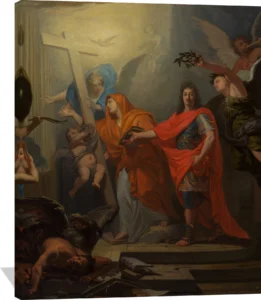
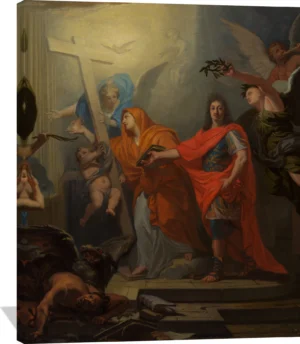
Hallé worked in the elegant academic tradition that defined French painting of his era. His style balanced disciplined draftsmanship with graceful movement, creating scenes that feel both dignified and theatrically composed. Whether depicting historical events, royal allegories, or sacred subjects, he favored harmonious arrangements, controlled emotion, and a sophisticated use of light that emphasized the nobility of his figures. His ability to merge grandeur with subtlety made his paintings particularly well suited to the tastes of the French court.
Subjects and Contributions
Hallé is best recognized for his large-scale history paintings, religious narratives, and allegorical compositions. He frequently depicted scenes drawn from classical mythology and Christian tradition, presenting them with serene authority and visual clarity. His works exemplified the values of the Royal Academy, where he later became a respected member, contributing to the intellectual and aesthetic ideals that shaped French art for generations.
Legacy and Significance
As part of a family of painters and as a participant in major state commissions, Hallé helped define the visual language of early eighteenth-century France. His paintings reflect the era’s commitment to moral instruction, cultural prestige, and artistic refinement. Today, Claude Guy Hallé is remembered for his role in advancing the academic tradition and for the enduring elegance of his compositions, which remain admired for their balance, serenity, and classical sophistication.