Artistic Style
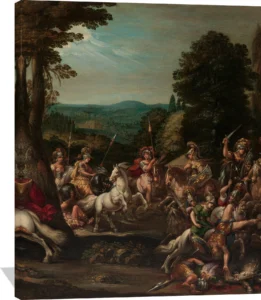
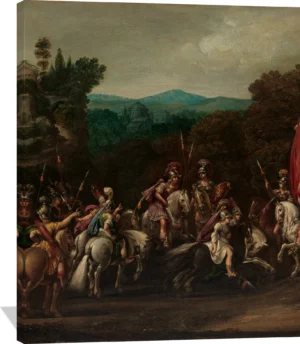
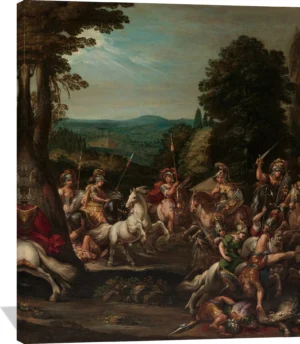
Déruet’s style blends late Mannerist refinement with the emerging Baroque taste for dynamism and visual drama. His figures often appear poised in fluid motion, surrounded by shimmering drapery and atmospheric landscapes that heighten the sense of narrative. A master of detail, he brought meticulous attention to costume, gesture, and setting, creating scenes that feel both ornate and emotionally charged.
Subjects and Themes
He is particularly admired for his depictions of allegorical subjects, courtly pageantry, and episodes drawn from classical mythology. His compositions frequently highlight heroic action, ceremonial splendor, and richly imagined fantasy worlds. Works such as Allegory of the Seasons and The Triumph of Justice demonstrate his skill in weaving symbolic meaning into visually captivating tableaux.
Legacy and Significance
As one of the leading painters of Lorraine, Déruet held a respected position in his region’s artistic life and contributed to the broader development of French Baroque painting. His influence extended through his workshop and through the enduring appeal of his vibrant, narrative‑driven imagery. Today, he is recognized for his distinctive fusion of elegance and expressive movement, a hallmark that continues to define his place in art history.