Artistic Style
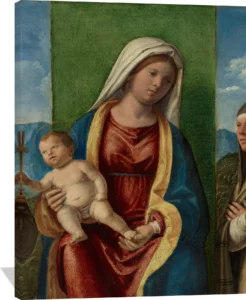
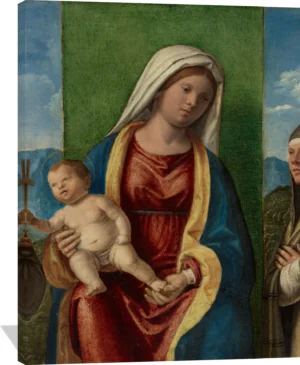
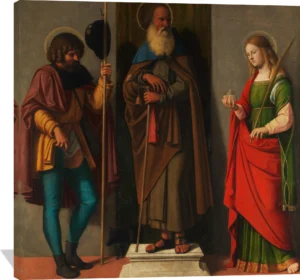
Cima is renowned for his radiant use of light, crystalline landscapes, and balanced compositions. His paintings often feature tranquil settings where figures and environment merge seamlessly, creating a sense of contemplative calm. His mastery of soft, diffused light and meticulous detail gives his works a signature purity and clarity, hallmarks that distinguish him within the Venetian school.
Subjects and Themes
Sacred subjects form the core of Cima’s oeuvre. He is particularly known for devotional scenes, serene Madonnas, and altarpieces that elevate familiar religious imagery through poetic naturalism. Works such as the Madonna of the Orange Tree and the Baptism of Christ exemplify his ability to merge spiritual narrative with landscape, creating compositions that feel both intimate and expansive.
Historical and Cultural Significance
Cima stands at a pivotal moment in Venetian art, bridging the traditions of earlier painters with the advances in color, atmosphere, and perspective that would define the High Renaissance. His landscapes, among the most refined of his generation, influenced later artists and contributed to the growing importance of nature in Venetian painting. Through his thoughtful integration of figure and setting, Cima helped shape a distinctly Venetian visual language grounded in clarity, harmony, and luminous color.
Enduring Legacy
Today, Cima da Conegliano is admired for the serenity and balance that permeate his works. His paintings continue to captivate viewers with their gentle light, precise detail, and quiet spiritual resonance. As a master of early Venetian Renaissance art, his legacy endures through the timeless beauty and unmistakable clarity of his vision.