Artistic Style
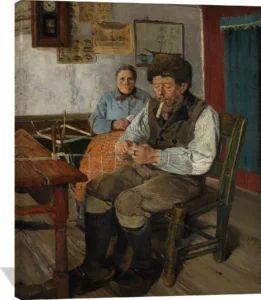
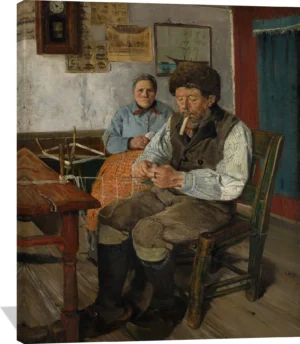
Krohg was a leading voice in Scandinavian Realism, known for his unembellished, observational approach. His work balanced direct naturalism with a subtle emotional depth, revealing the dignity and complexity of ordinary people. A strong advocate for artistic truthfulness, he helped shape a modern visual language in Norway, influencing generations of painters.
Subjects and Themes
He often depicted working-class life, maritime communities, and intimate domestic settings. Scenes such as fishermen at sea, seamstresses, and everyday street life reflect his enduring commitment to social issues. Paintings like Albertine i politilægens venteværelse exemplify his focus on humanity and moral consciousness, hallmarks of his mature style.
Legacy and Cultural Significance
Beyond painting, Krohg served as an influential teacher and writer, shaping public discourse around art and the role of the artist. As a key figure in Norway’s cultural evolution, he contributed to the rise of modern Norwegian identity and art education. His work remains prized for its honesty, craftsmanship, and its unwavering human focus, securing his place as one of the most important artists in Nordic history.