Artistic Style and Approach
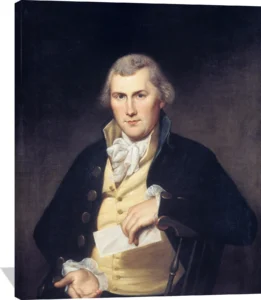
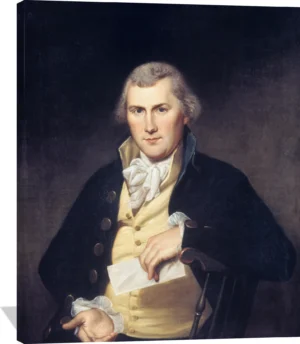
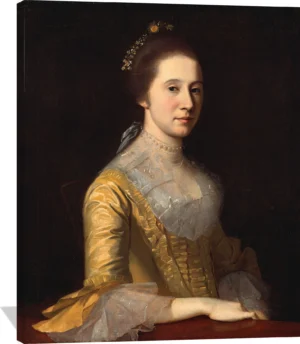
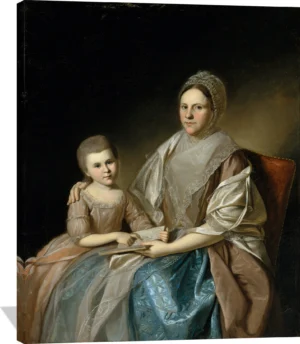
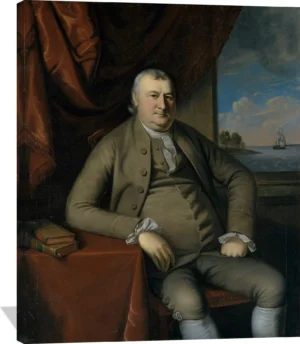
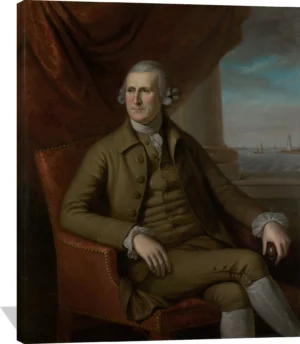
Peale’s portraits are distinguished by their clarity, disciplined draftsmanship, and thoughtful attention to character. His style blended late colonial realism with a restrained neoclassical sensibility, resulting in works that feel both grounded and aspirational. He often depicted sitters with symbolic objects or subtle environmental cues, reflecting his belief in art as a vehicle for civic virtue and personal achievement.
Notable Subjects and Contributions
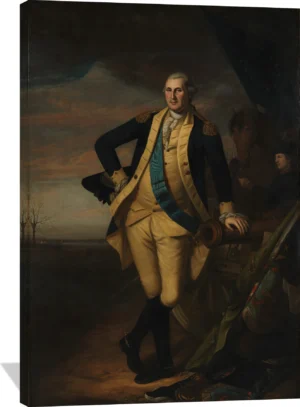
Peale is best known for his portrayals of leading figures of the American Revolution, including multiple iconic images of George Washington. These portraits helped shape the early visual culture of the nation and remain central to American historical memory. Beyond individual likenesses, Peale created group scenes and innovative compositions such as The Artist in His Museum, which showcased his dual identity as painter and naturalist.
Legacy and Cultural Significance
A pioneering figure, Peale founded one of the first major museums in the United States, where he presented art, scientific specimens, and educational displays to the public. His commitment to learning, experimentation, and accessible culture made him a key contributor to early American intellectual life. Today, his work stands out for its blend of artistry and enlightenment ideals, offering a vivid window into the people and spirit of the new republic.