Artistic Style
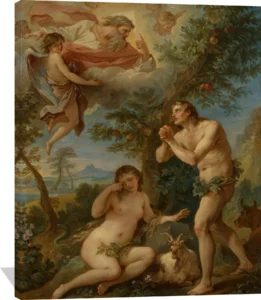
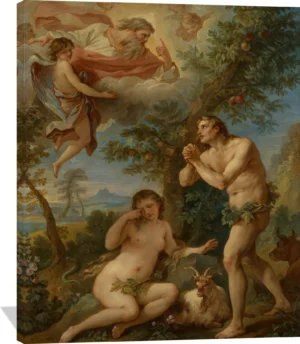
Natoire’s work embodies the elegance and lyricism characteristic of French Rococo. His compositions often feature fluid movement, soft contours, and delicately calibrated color harmonies that enhance the poetic quality of his scenes. He was known for his exceptional draftsmanship, producing drawings and decorative studies that reveal a command of line and expressive gesture.
Subjects and Themes
Natoire specialized in mythological narratives, allegorical subjects, and episodes from classical literature. His interpretations of stories such as those from Ovid or the pastoral tradition display a distinctive blend of sophistication and visual charm. Commissioned for both royal and ecclesiastical settings, his works often reflect the period’s fascination with ancient cultures and idealized nature.
Legacy and Significance
As director of the French Academy in Rome, Natoire played a central role in shaping the next generation of French artists. His influence extended through his teaching, his extensive body of drawings, and his contributions to major decorative cycles. Today, his work remains valued for its refined beauty and its embodiment of the graceful spirit of the eighteenth century.